
Editor's Note
5 min readA Name in Memory and on the Map
Street names reveal what a country chooses to remember, repeat, and place in everyday life.
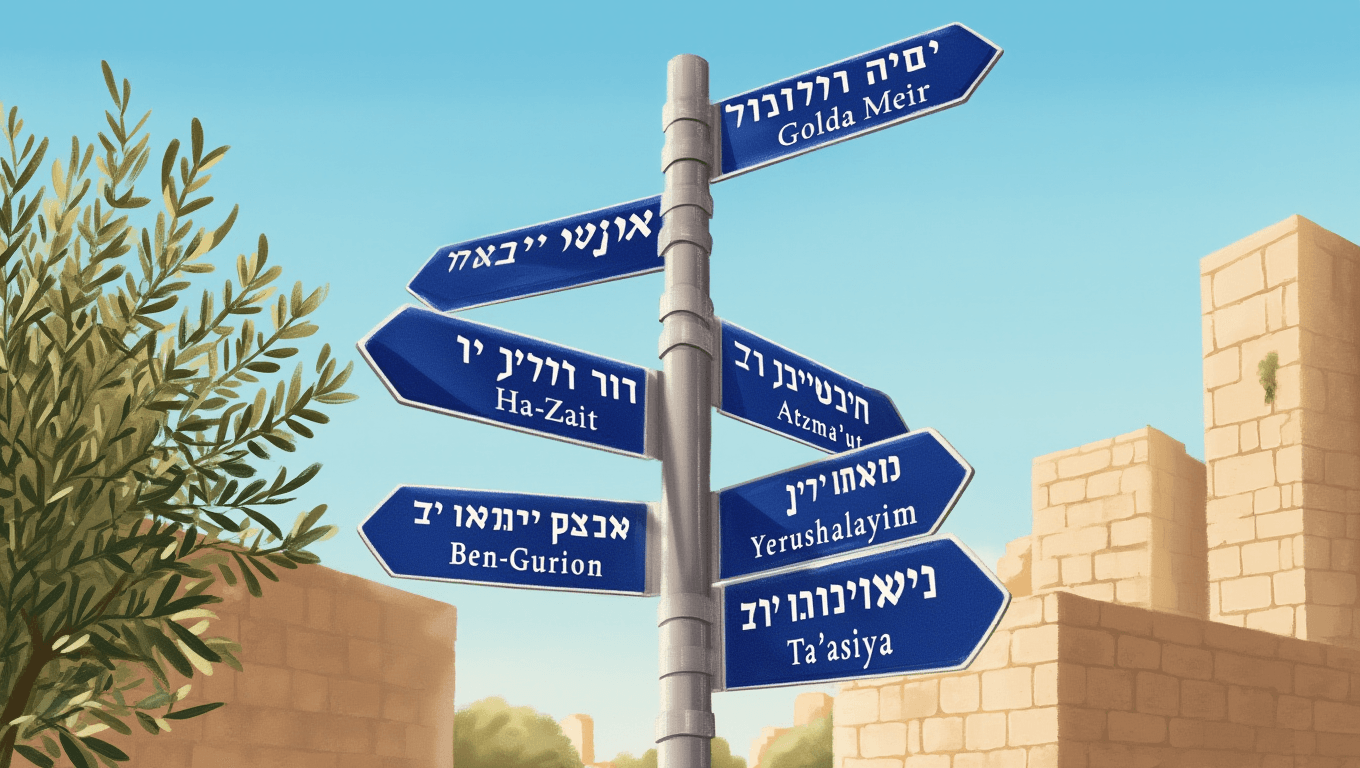
This week, Israel celebrates the 78th anniversary of its independence, an excellent opportunity to try to find common ground between Golda Meir, David Ben-Gurion, Nobel laureates, and plants.
That common ground is simple: they are all immortalized in the street names of Israeli cities and towns. Some names appear almost everywhere, turning the map into a record of collective memory, political culture, and everyday repetition.
Sensecom analyzes place names, compiles rankings of the most common names, and highlights regional characteristics, trends, and shifts over time.
Botanical Names
- 1. Ha-Zayit - Olive (196)
- 2. Ha-Gefen - Grape (189)
- 3. Ha-Teena - Fig (164)
Plants Before Politicians
Israeli street names contain more botanists than nerds, and the absolute leader is Ha-Zayit. Neither Ben-Gurion nor Jabotinsky comes close to the dominance of the olive tree on the map.
Next on the list come Ha-Rimon, Ha-Tamar, Ha-Shaked, Ha-Ela, and Ha-Dekel. Plants occupy the first 13 spots in the popularity rankings.
Only in 14th place does a non-botanical name appear: Ha-Meyasdim, dedicated to the founders of the state and found in 73 settlements.
After the plant names come the precious stones Israelis also love to preserve in the landscape: Bareket, Sapir, Odem, Yahalom, and Shoham.
Names of Politicians
- 1. David Ben-Gurion (54)
- 2. Menachem Begin (51)
- 3. Levi Eshkol (40)
Culture, Cities, and Memory
Golda Meir appears in 26 cities, Peres in 27, and Rabin in 39. Many streets are also named after Jabotinsky, Sharett, Shamir, Trumpeldor, and Arlozorov.
Netanyahu appears in 14 cities, in memory of his brother Yoni, who died during the Entebbe rescue operation.
Shai Agnon is immortalized in 37 towns. Chaim Nachman Bialik appears in 52 towns, Shoshana Damari in 25, Ofra Haza in 28, Naomi Shemer in 21, and Arik Einstein in 10.
Some streets are named after cities and towns. Yerushalayim Street is found in 59 towns, though remarkably not in Jerusalem itself.
The names also preserve biblical figures, kings, patriarchs, matriarchs, prophets, judges, thinkers, rabbis, healers, military leaders, and major battles.
Independence On The Map
Naturally, many towns and villages have a street or square named Ha-Atzmaut, in honor of the event Israel begins celebrating on the evening of April 21st.
More Posts
Editor's Note
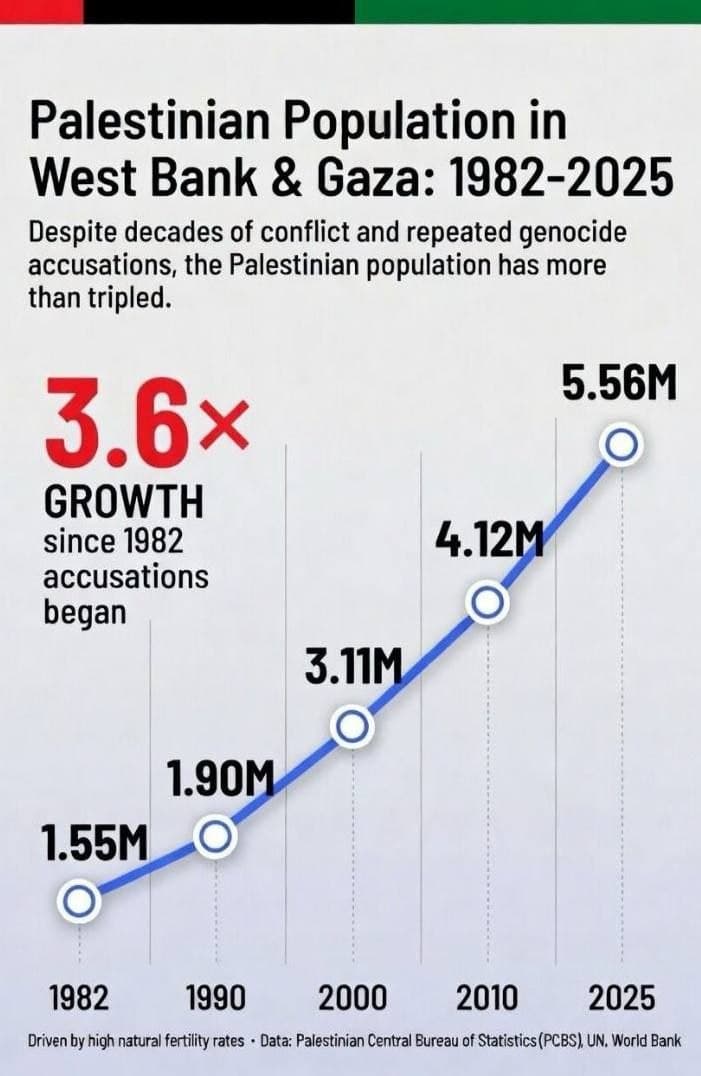
4 min readPalestinian Demography Beyond the Headlines
A verified look at long-run population growth in the West Bank and Gaza, and why demographic continuity should matter more than slogan-driven commentary.
Video Brief
3 min readThe i-Diplomat Brief: Medical Access for Diplomatic Families
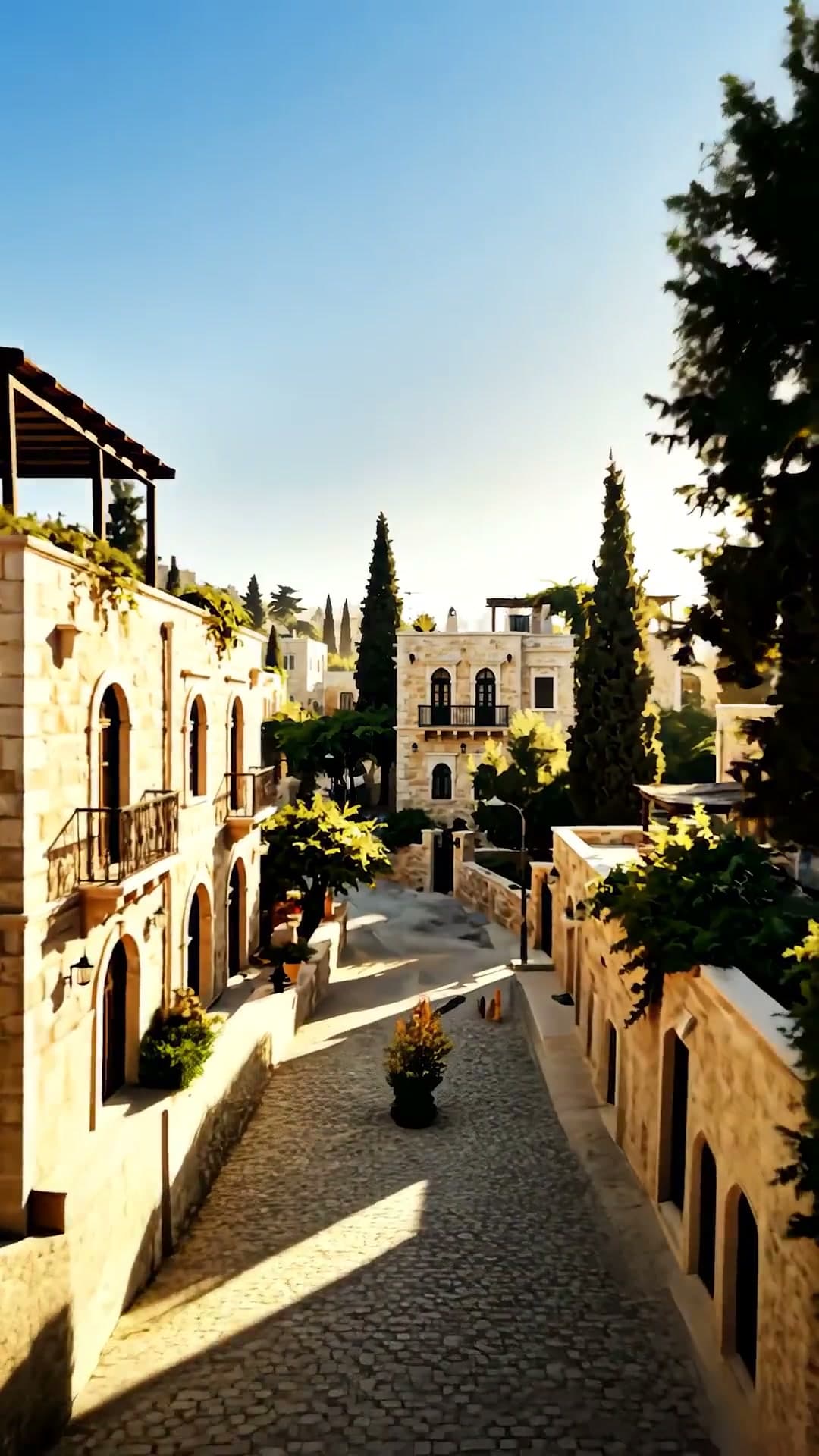
A short service brief built around the i-Diplomat video, showing how diplomats and their families can reach healthcare support quickly in Israel.
Law Corner
7 min readA Historic Step to Bring Justice to Victims of Terror
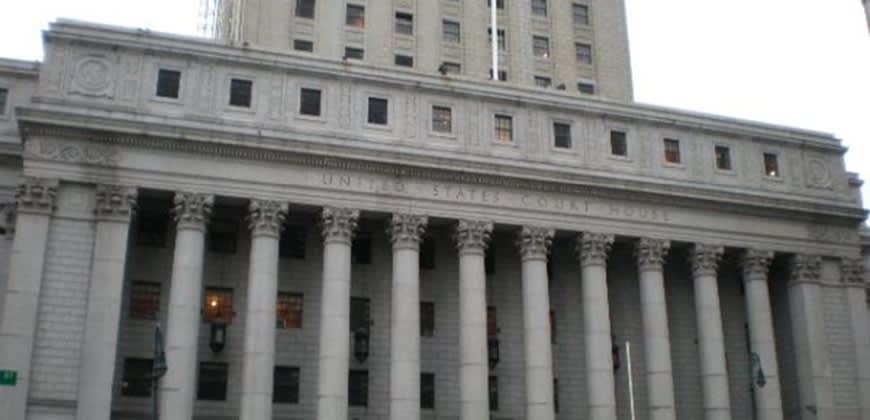
The Federal Court of Appeals in New York ruled that U.S. courts can hear lawsuits against the Palestinian Authority and the PLO, together with retroactive legislation for past attacks.
Analytics
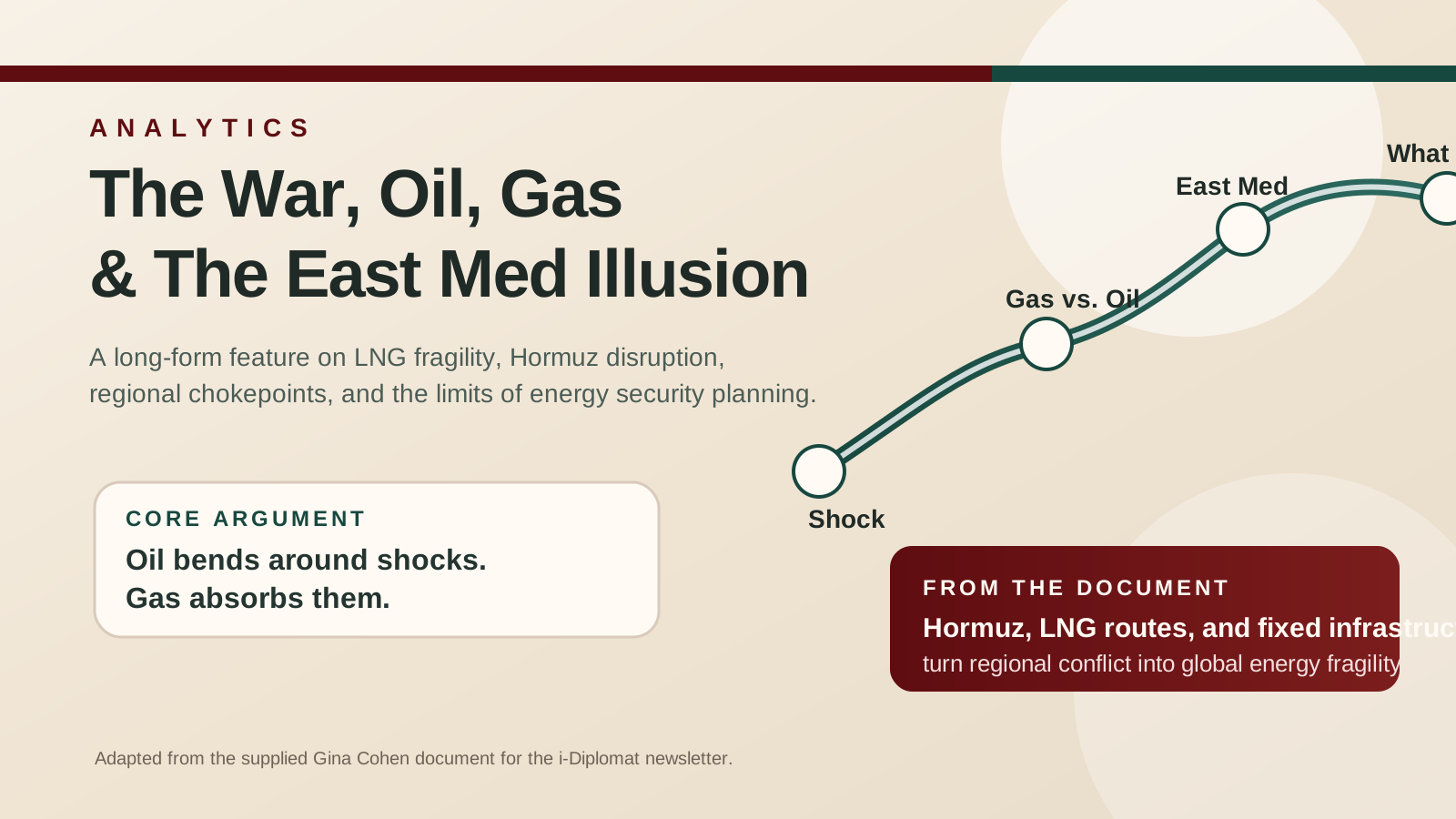
12 min readAnalytics: War, Gas Fragility, and the East Med Illusion
A full long-form adaptation of Gina Cohen's document on the war, oil, gas, the fragility of LNG markets, and the limits of East Mediterranean energy security.

Academic News
6 min readAcademic News: Did Paul Found Christianity?
Historian Yigal Bin-Nun revisits the old question of Paul and Christianity by arguing that the religion emerged gradually through conflict, reinterpretation, and later canon-building.
Editorial Note
This issue is published as a curated editorial archive inside the public i-Diplomat site.