

Academic News
6 min readAcademic News: Did Paul Found Christianity?
Bin-Nun's thesis is not that Paul was irrelevant, but that he was decisive in expansion rather than sole creator of the religion that later took shape.
In the supplied essay, historian Yigal Bin-Nun challenges the popular shorthand that Paul 'founded Christianity.' His argument is narrower and more historically interesting: Paul played a decisive role in spreading a movement, but the religion later called Christianity took shape gradually over multiple stages and through multiple rival interpretations.
That distinction matters because it shifts the question from biography to formation. Instead of asking whether one man invented a religion, Bin-Nun asks how competing communities, texts, and claims to authority transformed the memory of Jesus over time.
The Essay's Main Arguments
- Paul's own letters reveal far less biographical certainty than later Christian tradition often assumes.
- The Book of Acts presents a more dramatic and miraculous portrait of Paul than Paul's epistles themselves do.
- Early Jewish-Christian groups such as the Ebionites preserved sharply different memories of Paul and rejected his authority.
- The eventual shape of Christianity owed as much to later canon-building and theological conflict as to Paul's missionary work.
Why Scholars Still Debate This
Bin-Nun also stresses how many basic questions remain unsettled: Paul's origins, the reliability of Acts, the chronology of early communities, and the silence of contemporary non-Christian sources. The article is therefore less a final verdict than a challenge to simplistic origin stories.
For readers outside academic theology, that is the most useful takeaway. Religious traditions do not emerge all at once. They form through texts, institutions, memory, conflict, and later editorial power. The early Jesus movement was no exception.
About The Author
Yigal Bin-Nun is a historian and researcher at Tel Aviv University at the Cohen Institute for the History and Philosophy of Science and Ideas, with doctorates from Paris VIII and EPHE.
More Posts
Editor's Note
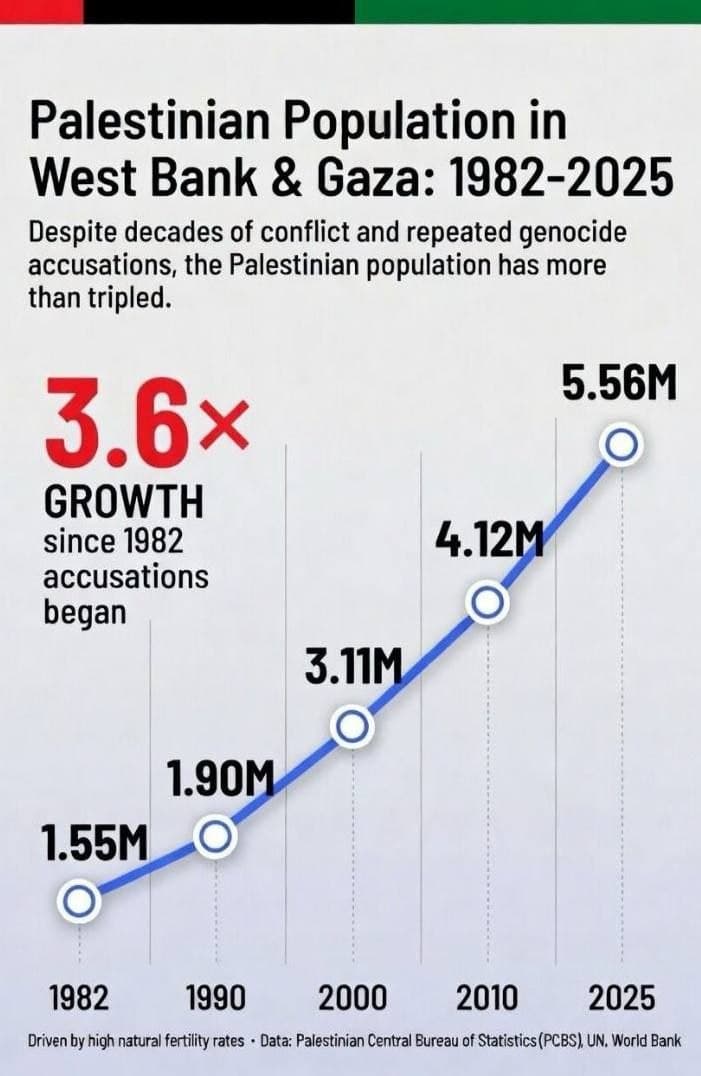
4 min readPalestinian Demography Beyond the Headlines
A verified look at long-run population growth in the West Bank and Gaza, and why demographic continuity should matter more than slogan-driven commentary.

Editor's Note
5 min readA Name in Memory and on the Map
A look at how Israeli street names preserve memory, politics, plants, cities, and national rituals across the map.

Video Brief
3 min readThe i-Diplomat Brief: Medical Access for Diplomatic Families
A short service brief built around the i-Diplomat video, showing how diplomats and their families can reach healthcare support quickly in Israel.

Law Corner
7 min readA Historic Step to Bring Justice to Victims of Terror
The Federal Court of Appeals in New York ruled that U.S. courts can hear lawsuits against the Palestinian Authority and the PLO, together with retroactive legislation for past attacks.

Analytics
12 min readAnalytics: War, Gas Fragility, and the East Med Illusion
A full long-form adaptation of Gina Cohen's document on the war, oil, gas, the fragility of LNG markets, and the limits of East Mediterranean energy security.
Editorial Note
This issue is published as a curated editorial archive inside the public i-Diplomat site.