

Law Corner
7 min readA Historic Step to Bring Justice to Victims of Terror
Families bereaved by war declared: "By hurting their pockets, they will understand that terrorism does not pay".
The Federal Court of Appeals in New York ruled that U.S. courts can hear lawsuits against the Palestinian Authority and the PLO, along with retroactive legislation that allows lawsuits to be filed for past attacks as well.
The Federal Court of Appeals in New York (2nd District) ruled last week that U.S. courts have jurisdiction over lawsuits filed against the Palestinian Authority and the PLO over their funding to the families of terrorists who have committed terrorist acts.
This ruling comes against the backdrop of significant legislative changes in Congress, including a law defined as "Justice for Victims of Terrorism," which explicitly states that payments related to terrorist operatives give the US courts the authority to adjudicate damages caused in connection with terrorist acts. Rarely, Congress determined that the new law would apply retroactively, that is, even to those who were injured in hostilities committed before it was enacted.
Families And The Courts
Families bereaved by war declared: "By hurting their pockets, they will understand that terrorism does not pay".
Bereaved families turn the courts into another front in the war on terror: Billions of shekels in lawsuits against the Palestinian Authority, Hamas, Iran and Syria. Attorney who established a lawsuit headquarters against terror financiers: "We will prove that those associated with terrorists do not deserve to benefit from money".
It turns out that the war on terror is not only being waged on the battlefield. For many bereaved families, it is also being waged in the courts - in a stubborn economic struggle aimed at hurting the pockets of those who finance the murderers.
Israeli Compensation Actions
The Herzog-Fox-Neaman law firm, headed by attorneys Yossi Ashkenazi and Roy Scheindorf, filed the lawsuit of 212 plaintiffs representing the families of 140 murdered people on October 7. The lawsuit is based on a law enacted in Israel last year, which states that the heirs of those murdered in acts of terrorism have the right to claim pre-determined punitive damages.
The April 2024 Law on Compensation for Victims of Terrorism stipulates: 10 million shekels in punitive damages for each heir of a murdered person, and an additional 5 million for those left with permanent disabilities. "This is a tool that makes it possible to claim a very large sum in terms of Israeli law," says Attorney Ashkenazi.
The compensation is deposited from funds that the State of Israel freezes from the Palestinian Authority itself. "The law states that the compensation can only be collected from these frozen funds - you can't wait for funds to come in in the future."
Attorney Scheindorf explains: "This is a lawsuit with a significant value perception. Anyone who finances terrorism through payments and money, encourages and assists terrorist acts - will ultimately be held responsible for the consequences of his actions. The legislator has established provisions that are intended to deter."
"This is the only case of its kind, and it's also unusual in its scope - it's one of the largest cases handled in Israeli courts," explains Attorney Ashkenazi. "Behind every plaintiff is a whole family story. There's a lot of emotional baggage and also a lot of factual stories."
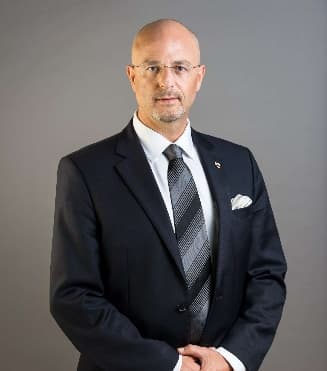
Dr. Gideon Fisher
Attorney Dr. Gideon Fisher, one of the founders of the Gideon Fisher & Co. law firm, has also established a litigation unit in his office against the financiers of terrorism that crosses Israel's borders. "Our goal is to resonate with terrorism on an international level and hit them in the pocket, so that they understand that it is not profitable for them," explains Dr. Fisher.
His office is filing a lawsuit in the Jerusalem District Court for 4.5 billion shekels against the Palestinian Authority, Hamas, and the PLO, on behalf of more than 500 plaintiffs, including individuals, heirs, and relatives of victims who were murdered, injured, or kidnapped.
His office is also working on another lawsuit that will be filed on behalf of about 1,000 new plaintiffs for a total of about 6 billion shekels, both in the Jerusalem districts and in the United States.
So how does it work in practice? "If it's the Palestinian Authority," explains Dr. Fisher, "they have law firms that represent them here in Israel." But there are other ways too. "If these are parties other than the Authority, usually no defense is filed at all. A verdict is issued against them in the absence of a defense, and we go out to enforce the verdict."
Advocate Fisher: "Syria tried to show that it had changed its ways, but it didn't help - we showed that around October 7 they were financing and training Hamas to deter."
"This is the only case of its kind, and it's also unusual in its scope - it's one of the largest cases handled in Israeli courts," explains Adv. Ashkenazi. "Behind every plaintiff is a whole family story. There's a lot of emotional baggage and a lot of factual stories."
According to Dr. Fisher, the connection between the financing of terrorism and the actions themselves is critical to proving. "There is a strong connection between terrorists and the Palestinian Authority, and you have to know how to work with it wisely," he explains. "When you make the connection - whether it's overt information or intelligence from the security services - and show the connection, that the Authority is financing the families of the terrorists, you can show the court that those who financed terrorism do not deserve to benefit from the funds."
International Cases
Internationally, Dr. Fisher is leading quite a few economic battles against terrorism. He recently filed a lawsuit in the US federal court in Washington against the Iranian government for direct support of Hamas, on behalf of dozens of Israeli plaintiffs with American citizenship - and received a ruling from a US federal court for $500 million against the Iranian government.
He also filed a lawsuit in the US federal court in Columbia against the Syrian government for direct support of Hamas. "Syria tried to show that it had changed its ways and was no longer supporting terrorism, but that didn't help - we showed that around October 7 they were funding and training Hamas."
He also recently filed a historic lawsuit in the California Supreme Court against Binance, the world's largest crypto exchange, and its owner. The Pentagon has already imposed $4 billion in sanctions on Binance, and the funds have gone into a US terrorist funds forfeiture fund, which was established so that those who hold US judgments against terrorist financiers can be repaid from it.
Law Corner Note
This article is presented as supplied editorial newsletter material for Law Corner.
More Posts
Editor's Note
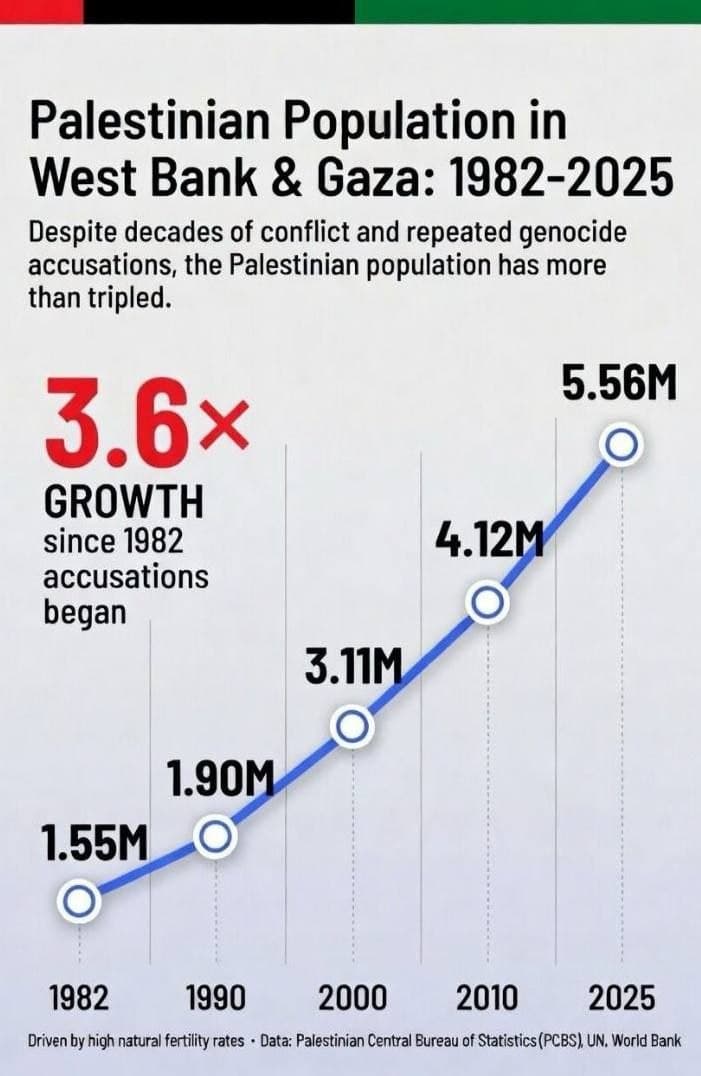
4 min readPalestinian Demography Beyond the Headlines
A verified look at long-run population growth in the West Bank and Gaza, and why demographic continuity should matter more than slogan-driven commentary.

Editor's Note
5 min readA Name in Memory and on the Map
A look at how Israeli street names preserve memory, politics, plants, cities, and national rituals across the map.

Video Brief
3 min readThe i-Diplomat Brief: Medical Access for Diplomatic Families
A short service brief built around the i-Diplomat video, showing how diplomats and their families can reach healthcare support quickly in Israel.
Analytics
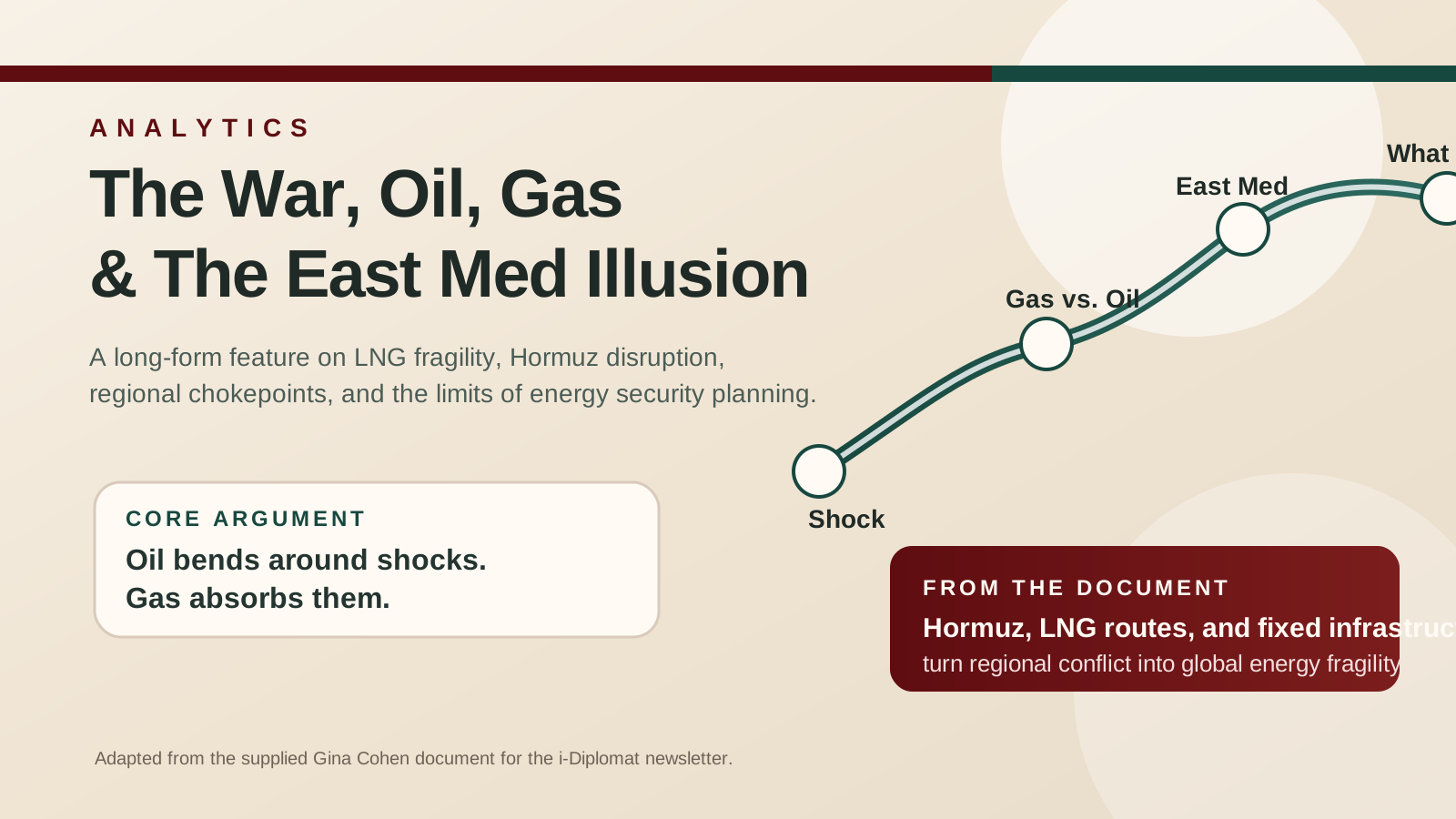
12 min readAnalytics: War, Gas Fragility, and the East Med Illusion
A full long-form adaptation of Gina Cohen's document on the war, oil, gas, the fragility of LNG markets, and the limits of East Mediterranean energy security.

Academic News
6 min readAcademic News: Did Paul Found Christianity?
Historian Yigal Bin-Nun revisits the old question of Paul and Christianity by arguing that the religion emerged gradually through conflict, reinterpretation, and later canon-building.
Editorial Note
This issue is published as a curated editorial archive inside the public i-Diplomat site.